Disposable Vape Law in Germany: Retail Licensing — The numbers and thresholds
Direct answer
Selling Disposable Vape in Germany usually needs at least one licence, and often two: a general business registration and a tobacco or vaping-specific authorisation. The specific permit, its fee and its renewal cycle vary by jurisdiction and sometimes by municipality. Licence fees in most markets sit in a low four-figure local currency range per outlet per year, with renewal inspections. Enforcement patterns matter as much as statute text, because the same rule can be applied strictly in one region and loosely in another. Keep the regulator notice, the notification number and the artwork proof in one dated folder. Compliance is a process rather than a document: it needs an owner, a review date and a way to catch changes before stock ships.
In Germany, this sits inside the framework administered by BVL and state health authorities, and the practical test is whether the paperwork is complete before the shipment lands rather than after it.

Licences needed to sell Disposable Vape
For anyone importing into Germany, this is the document set to assemble first. Licensing conditions in most cases cover premises suitability, staff training, display rules and record keeping. Some markets require a separate licence for each outlet, which makes chain expansion slower than expected. Losing a licence is often a bigger commercial event than a fine, because reinstatement takes months and the premises may not qualify again.
- Budget for per-outlet rather than per-company fees
- Keep training records on site
- Diarise renewal dates with a margin
- Put the notification number on the invoice
- Confirm the duty treatment before pricing
The numbers and thresholds
In Germany, the paperwork here decides whether a container clears. Numbers only help when the units match. Watt-hours, millilitres, milligrams per millilitre and puff counts are four different measurements, and catalogues mix them freely. Convert everything to the same unit before you draw a conclusion, then hold the measurement conditions constant, because a rating taken at 40 puffs a day is not the same as one taken at 200.
- Convert puff ratings to days at your own rate
- Keep milligram per millilitre separate from total nicotine
- Ask for the test conditions behind any rating
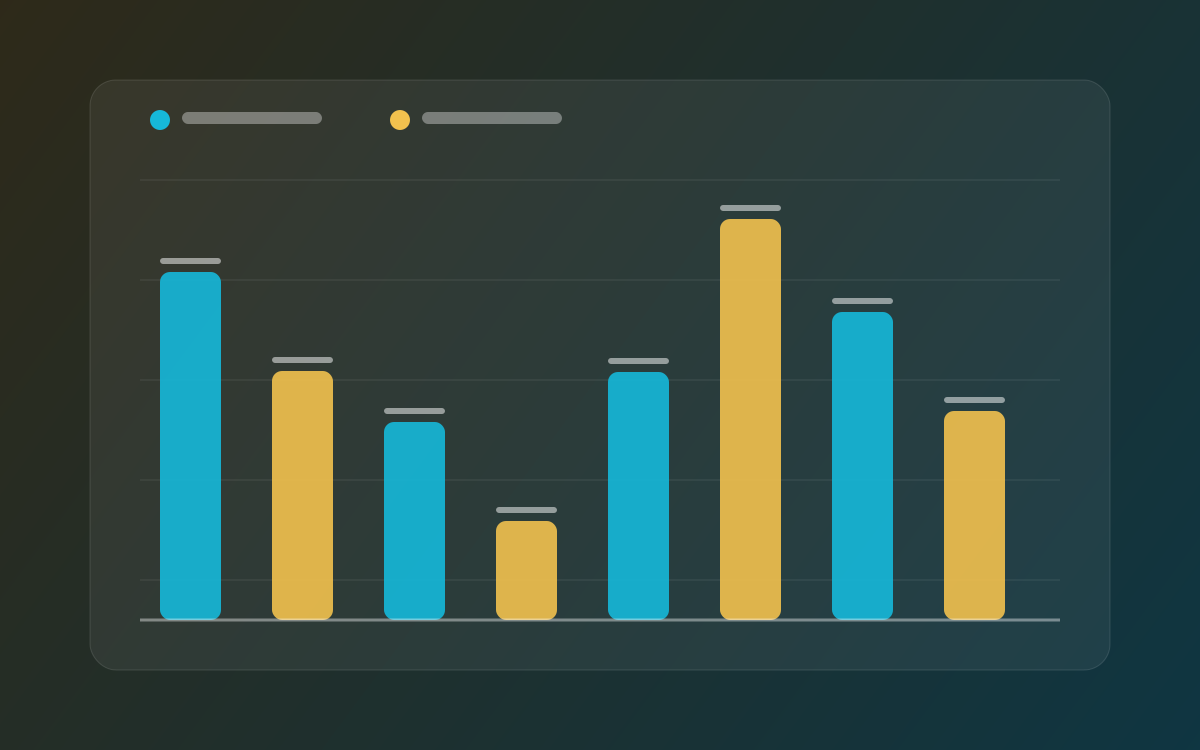
Reference table
In Germany, this is the step where shipments most often stall. The table condenses the figures and documents that change a purchasing decision. Treat the ranges as typical as typical rather than fixed, and ask the supplier to confirm the values that apply to your model.
| Requirement | Who it applies to | Typical form | Consequence of missing it |
|---|---|---|---|
| Advertising | Brand and retailer | Restricted channels only | Removal and penalty |
| Product notification | Manufacturer or importer | Notification number before sale | Withdrawal from sale |
| Local notification | Importer into Germany | Number held before first sale | Withdrawal from sale |
| Tank or pod capacity | Refillable volume | 2 ml in the EU and UK | Non-compliant SKU |
| Age limit | Retail and online sale | 18 or 21 depending on market | Fine and licence review |
Step by step
- Inspect the carton for compression damage
- Check the security seal and batch code
- Verify the coil or pod resistance marking
- Run a leak test on the first unit
- Log the batch in your stock record
Practical notes
Compliance is a process rather than a document: it needs an owner, a review date and a way to catch changes before stock ships. Compliance is a process rather than a document: it needs an owner, a review date and a way to catch changes before stock ships. Enforcement practice matters as much as the statute, so ask what inspectors actually check.
Questions people ask
What decides retail licensing for disposable vape law in germany?
Licence fees in most markets sit in a low four-figure local currency range per outlet per year, with renewal inspections. Confirm whether a vape-specific licence exists.
Can I sell online into this market?
Often yes, but with conditions: age verification, local labelling, distance-selling registration and, in some markets, a domestic representative. Cross-border parcels are an enforcement priority in several countries.
What documents should a wholesaler provide?
Product notification or registration number, test reports, ingredient disclosure for liquids, packaging artwork and a batch traceability reference.
How often do the rules change?
Frequently. Several markets changed disposable rules, tax treatment or nicotine limits within the last two years, so a compliance file needs a review date and an owner.
Does a compliant product in one country stay compliant elsewhere?
Rarely. Tank size, nicotine ceiling, warning language and packaging format all differ, so the same SKU often needs market-specific artwork and sometimes a different coil resistance.
Related guides
- Retail Licensing ExplainedRetail Licensing, with the figures and documents that decide it.
- Retail Licensing Beginner GuideRetail Licensing, with the figures and documents that decide it.
- Online Sales Rules Cost BreakdownOnline Sales Rules, with the figures and documents that decide it.
- Nicotine Caps Buyer ChecklistNicotine Caps, with the figures and documents that decide it.
- Import & Customs ExplainedImport & Customs, with the figures and documents that decide it.
- Packaging Rules Field NotesPackaging Rules, with the figures and documents that decide it.
Regulatory and technical details on this page are a practical summary for buyers and operators, current as of 2026. Rules, limits and standards change; confirm the position with the relevant authority and with your supplier's documentation before shipping or selling.